Common Modification Approaches for PP — Making Cars Lighter and Stronger
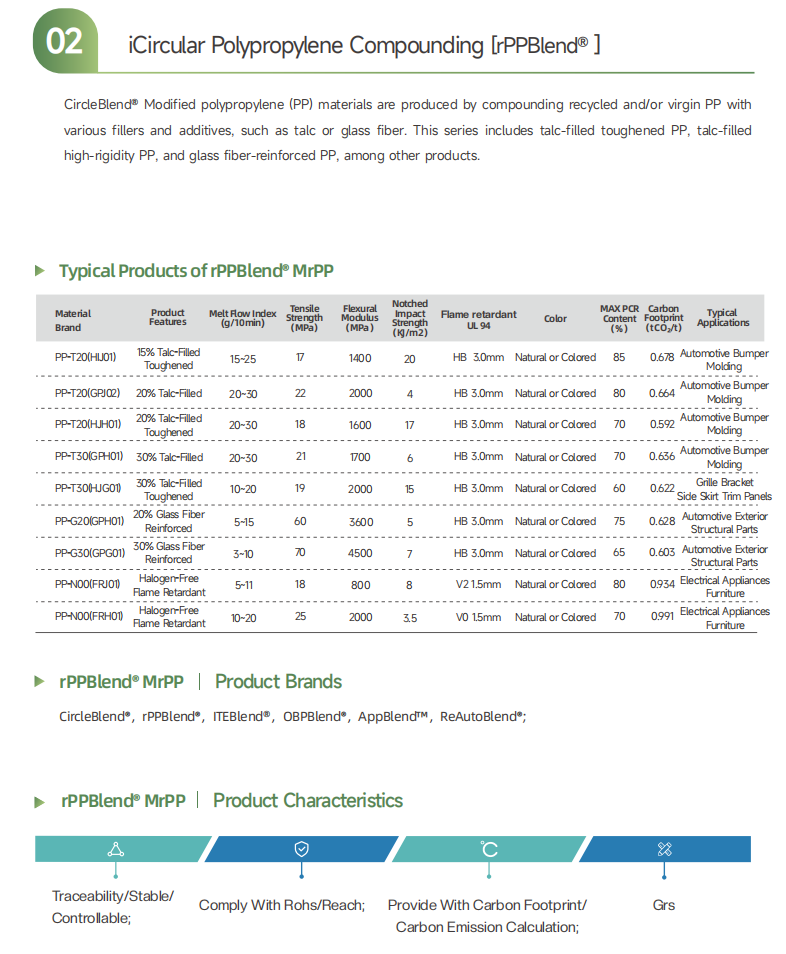
Unmodified PP has poor toughness and is prone to cracking upon impact. By incorporating elastomers (EPDM, POE) and inorganic fillers (talc, calcium carbonate) , reinforced and toughened PP is produced. This material offers high impact strength, good rigidity, and low cost, making it particularly suitable for large, high-volume, impact-resistant components such as bumpers, instrument panels, and door inner trim panels.
For instance, the instrument panel, glove box, and center console of the new-generation Škoda Scala utilize a low-density specialty PP (Daplen® EE058AI) developed by Borealis. This material contains 10% talc filler combined with elastomer modification, featuring low odor, low emissions, and low fogging, while achieving a 6.5% weight reduction — delivering both environmental benefits and lightweighting performance.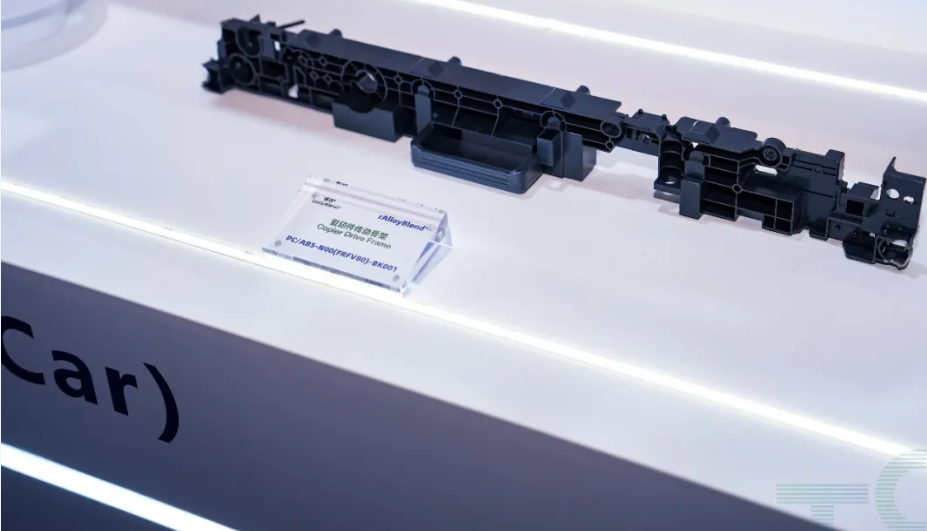
By compounding PP with 10–25 mm long glass fibers, Long Glass Fiber Reinforced PP (LGFPP) is produced. Compared to short glass fiber reinforced PP, LGFPP offers higher strength, better dimensional stability, and lower weight. Its density is significantly lower than that of metals, enabling weight reductions of 20%–50% for equivalent components.
LGFPP is commonly used in front-end modules, instrument panel carriers, battery trays, seat frames, and door frames. The fully plastic front-end module, in particular, integrates multiple metal parts into a single molded component, simplifying structure and achieving a weight reduction of 30%–40% — making it a flagship solution for automotive lightweighting.
Foamed modified PP is produced by adding chemical foaming agents to PP and applying a micro-foaming process to create 80–350 μm micro-cellular pores within the material. This approach achieves a weight reduction of 10%–20% (and over 50% compared to metal), while also delivering improved sound insulation, thermal insulation, and cushioning performance. It is well-suited for components such as tailgates, headliners, air ducts, and interior trim panels.
Interior components are particularly susceptible to scratching, powdering, and aging. By incorporating silicone- or amide-based scratch-resistant agents into PP, scratch-resistant modified PP is produced. This material offers excellent abrasion resistance, scratch resistance, and resistance to whitening, making it ideal for high-frequency touch interior components such as center consoles, instrument panels, and door inner panels — delivering both aesthetic appeal and long-lasting durability.
As automotive performance, safety, and environmental requirements continue to intensify, automotive PP modification is progressing toward a "Three Highs + One Low" direction:
Three Highs:
High Flowability: MFR > 20 g/10min — enabling rapid molding of large, complex parts;
High Modulus: Flexural modulus > 1800 MPa — providing sufficient rigidity and resistance to deformation;
High Impact Strength: Notched impact strength > 25 kJ/m² — ensuring impact resistance and durability.
One Low:
Low VOC (Volatile Organic Compounds): Low odor and low emissions.
Interior components operate under prolonged high-temperature, enclosed conditions, demanding stringent environmental performance. Low-VOC modified PP ensures a fresh, healthy, and safe cabin environment, free from unpleasant odors.
In short, modified PP is the "all-rounder" of automotive lightweighting:
Lightweight enough: With its extremely low density, it helps reduce overall vehicle weight by tens of kilograms — improving fuel economy for ICE vehicles, extending range for EVs, and enhancing overall efficiency.
Strong enough: Through toughening, reinforcement, foaming, and scratch-resistance modifications, it adapts to virtually all application scenarios.
Cost-effective enough: Offering exceptional value for money, it helps reduce both manufacturing and maintenance costs.
Eco-friendly enough: With low odor, low VOC, and recyclability, it actively supports low-carbon and sustainable development.
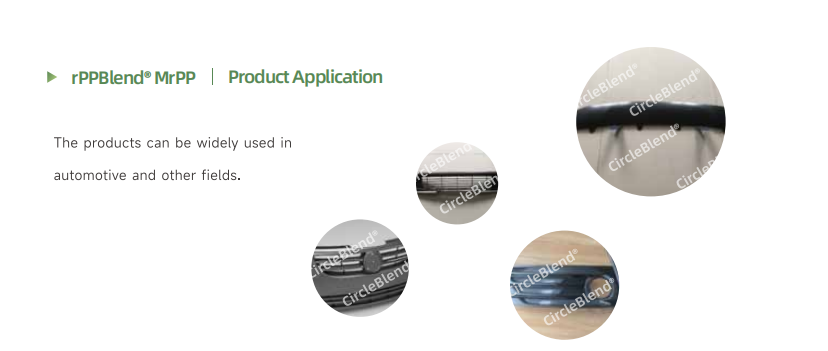
From exterior components such as bumpers and grilles, to interior parts like instrument panels and door panels, and further to new energy vehicle battery housings, high-voltage components, and charging pile enclosures — modified PP is ubiquitous. Looking ahead, as high-performance, post-consumer recycled (PCR), bio-based, and long glass fiber technologies continue to mature, modified PP will replace even more metal materials, solidifying its position as the most central, reliable, and cost-effective key material for automotive lightweighting, low-carbon transformation, and environmental sustainability.
CircleBlend® polypropylene modified materials are pellets produced through compound modification of recycled and/or virgin PP materials with various fillers and additives, including talc, glass fibers, and other functional agents. The product portfolio includes:
Talc-filled toughened PP
Talc-filled high-rigidity PP
Glass fiber reinforced PP
And other specialty modified PP grades