
Product Application Modified PC Application Solutions in the Automotive Industry
Polycarbonate (PC) is a general term for a category of high-molecular polymers containing carbonate groups in their molecular chains. Classified by the groups on the molecular chains, PC can be divided into aliphatic, aromatic, and aliphatic‑aromatic polycarbonates. As a thermoplastic engineering plastic with excellent comprehensive performance, PC features high impact strength and good transparency among thermoplastics. It maintains outstanding mechanical strength, favorable electrical properties, and high dimensional stability over a wide temperature range, while being easy to process. It is widely used in automotive, construction, packaging, lighting, and other industries.
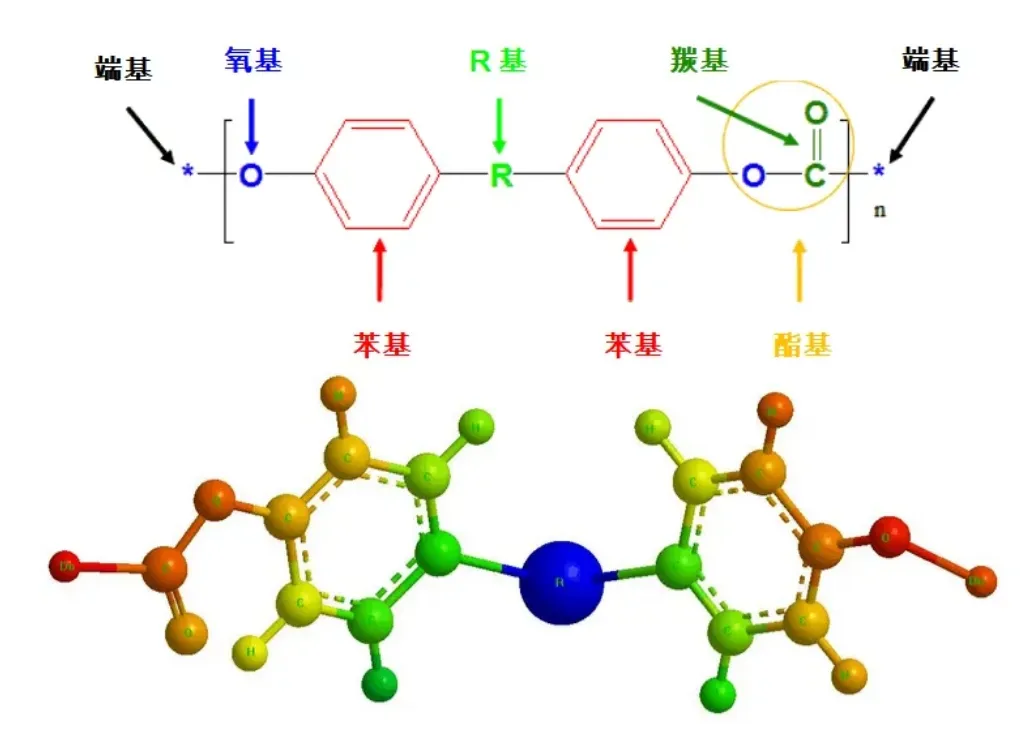
PC is mainly used in automotive lighting systems, interior and exterior parts, and also applied in intelligent central control systems. Through modification such as toughening, reinforcing, flame retarding, and alloying, the flame retardancy, strength, and other properties of PC can be significantly improved. Modified PC materials are widely used in automotive components, OA equipment, electronic and electrical products, etc.
Optical‑grade polycarbonate, with its unique impact resistance, weatherability, light weight, and high strength, has been competing with traditional window glass. Compared with conventional inorganic automotive glass, PC has distinct advantages and disadvantages. Its strengths include lighter weight, greater design freedom, and higher toughness. With modified PC technology, it can be used in rear quarter windows, rear windshields, stacked sunroofs, and panoramic sunroofs.
Modified polycarbonate (PC) features excellent heat resistance, impact resistance, rigidity, and good processing flowability, making it widely used in automotive interior and exterior components. The most common alloys are PC/ABS and PC/PBT.PC/ABS is used to manufacture instrument panel surrounding parts, anti‑freeze panels, door handles, deflectors, brackets, steering column covers, decorative panels, air conditioning components, and other parts. PC/PET can be formed into air vents and license plate frames. PC/ABS is also used for exterior parts such as wheel covers, mirror housings, and tail lamp covers. With good formability, PC/ABS can be processed into large automotive parts like fenders.
Excessively high surface gloss of an instrument panel causes glare and reflections on the windshield, seriously endangering driving safety. Interior parts made of low‑gloss PC and its alloys usually have high surface gloss and require painting or printing to reduce gloss. Hard instrument panels are mainly injection‑molded in one step using PP, PC, ABS, PC/ABS, etc., commonly used in light trucks, heavy trucks, and buses. Soft instrument panels consist of a skin, frame, and buffer layer, mostly using PVC/ABS or PVC skin + ABS/PP frame + foam buffer layer.
A, B, and C pillar trims in passenger cars are generally made of PP. Some high‑end models adopt PC/ABS for higher safety requirements.
Door trim strips, inner door handles, switch consoles, etc., mainly use PC/ABS, electroplated PC/ABS, heat‑resistant ABS, etc. Among them, PC/ABS is the fastest‑growing and most widely used material for inner door handles. This alloy combines the high strength of PC and good electroplating performance of ABS, available in electroplated and painted grades. Electroplated PC/ABS offers a metallic appearance and premium look. It remains the mainstream material for door handles in China.
Common materials for grilles are ABS or PC/ABS alloy, both with good electroplating performance. High‑gloss substrates use specially designed high‑gloss ASA, PMMA alloy, and PC with excellent weather resistance. Combined with highly polished high‑gloss molds, they achieve a glossy black finish with excellent weather resistance, scratch resistance, and toughness, meeting current appearance, environmental, and fashion demands.
A rearview mirror assembly consists of a housing, lens, and fixed cover. Since mirrors are exposed outside the vehicle, material selection must consider temperature, humidity, strength, impact, bending performance, aging resistance, corrosion resistance, good injection molding, and paintability. Currently used materials include heat‑resistant ABS, PC/ABS, ASA, PBT+GF, etc.
Automotive roof rails require sufficient load‑bearing capacity and fatigue strength. Mainstream materials include PC/PBT, PC/ASA, PC/ABS, ASA, etc.
PC is widely used in automotive lamps due to its transparency, good impact resistance, mechanical and electrical insulation properties, wide service temperature range, high dimensional stability, and creep resistance. Polycarbonate is mainly used for lenses and outer lenses of headlamps and fog lamps. Taking advantage of its easy molding, lamp heads, connecting pieces, and lamp bodies can be over‑molded onto the lens, enabling high design flexibility and overcoming technical difficulties of traditional glass headlamps. Due to temperature differences inside the lamp, some reflectors and trims may reach 100–190°C, so PC and PC‑HT are typically selected. Polycarbonate accounts for about 50% (by weight) of plastic materials used in headlamps.
Common plastics for automotive bumper covers are polycarbonate‑based. Multi‑functional semi‑crystalline materials based on PC/PBT alloy and PC/PET blend offer excellent chemical resistance, maintaining high stability when contacting automotive oils and retaining outstanding mechanical properties—especially impact resistance—over a wide temperature range. With strong UV resistance, parts can be used without painting or pretreatment.PC‑based bumpers feature high strength, rigidity, and weldability. For example, the bumper of the Peugeot 405 is made of PC‑based material via reaction injection molding.
PC/ABS offers excellent processability and mechanical performance and is widely used in automotive spoilers.
In addition to lamps, windows, interior and exterior parts, polycarbonate is also widely used in battery protective housings and charging pile housings for new energy vehicles.
Plastic module housings are trending toward lightweight and integrated design, requiring materials with better mechanical properties and easier thin‑wall molding. PC/ABS alloy is one of the preferred materials, with heat resistance and weather resistance meeting the requirements of NEV module housings.
Charging piles are mostly used outdoors and exposed to wind, sunlight, and rain. Engineering plastics for charging piles must have good mechanical properties, environmentally friendly flame retardancy, long‑term weather resistance, good insulation, high and low temperature impact resistance, and good colorability. Flame‑retardant modified PC/ABS, PC/ASA, and PC/PBT meet the requirements for charging pile housings and gun bodies.
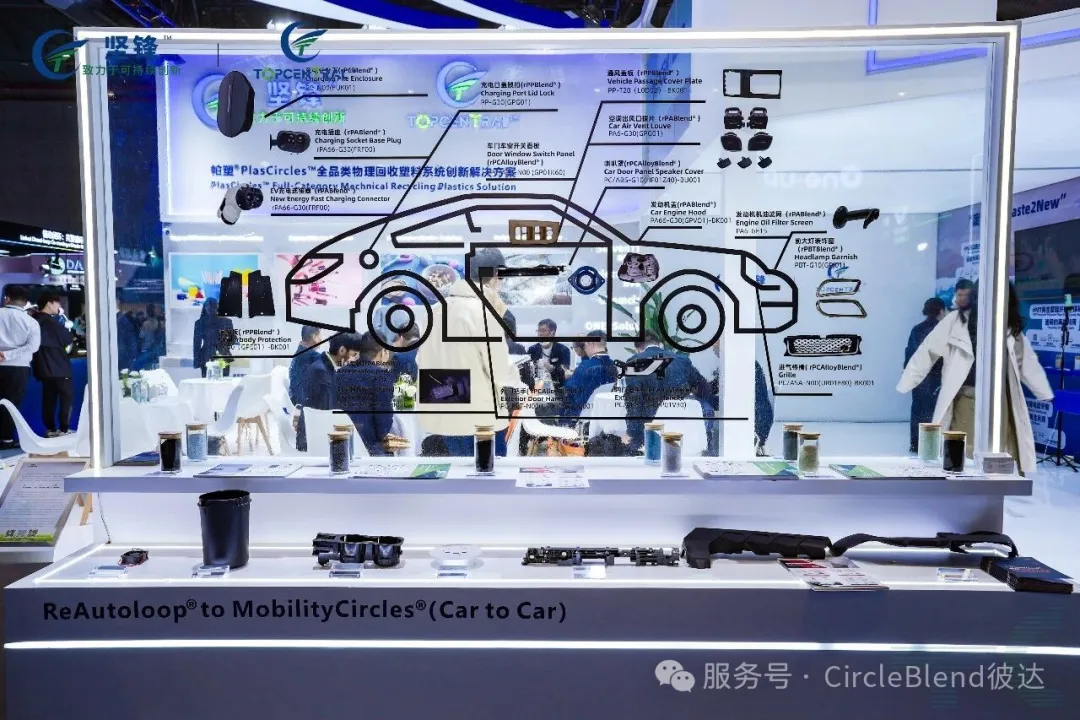
With the emergence of the energy crisis, automotive lightweighting has become a global trend. To meet the evolving needs of the automotive industry, material combinations will play a key role. Through innovative research and applications of polycarbonate in automobiles, future vehicles will be more aesthetic and intelligent.
Circleblend® modified polycarbonate materials are produced by modifying and pelletizing post‑consumer recycled and/or virgin polycarbonate. We offer reinforced, flame‑retardant, color‑matched, and other modified recycled PC products, and provide customized material performance and system solutions according to customer requirements.
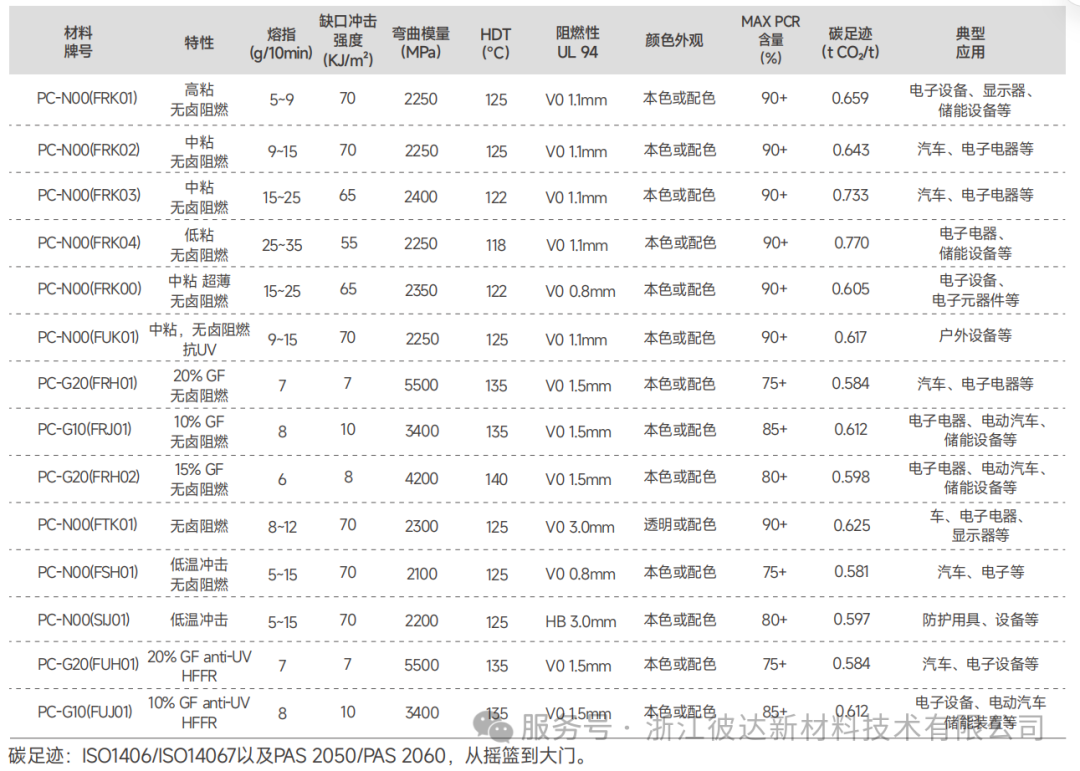
CircleBlend®rPCBlend®ITEBlend™OBPBlend®AppBlend™ReAutoBlend®
Product Features
ApplicationsSuitable for direct extrusion and injection molding. Used in various injection‑molded parts such as power supply housings, electrical instrument enclosures, TV cabinets, etc.