
Unveiling PC/ABS Alloy Modified Formulation Suppliers: A Comprehensive Analysis of Technological Innovation and Industry Applications
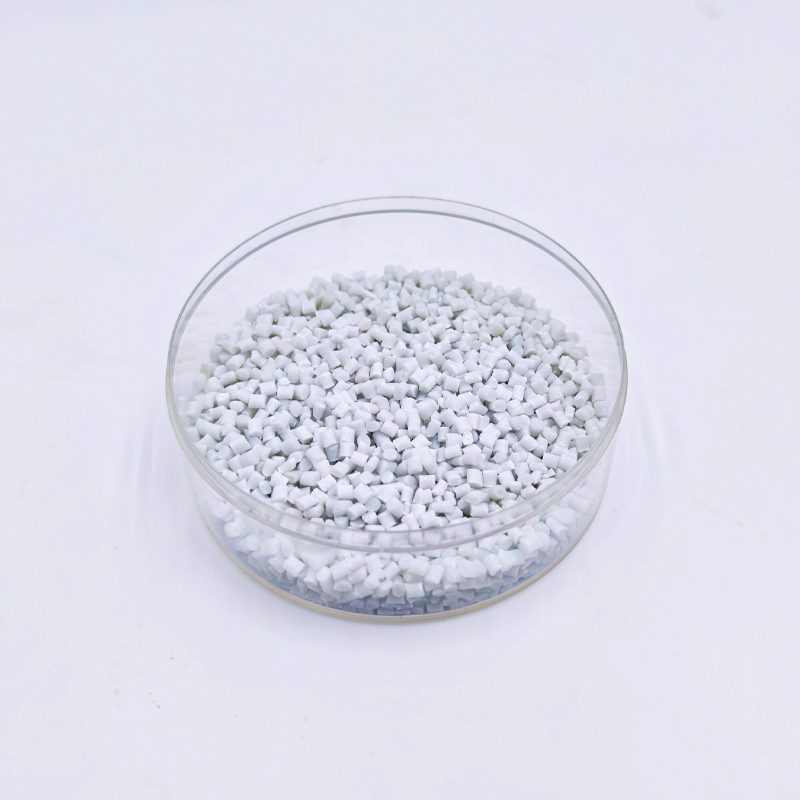
In the field of engineering plastics, suppliers of modified PC/ABS alloy formulations play a pivotal role in driving breakthroughs in material performance. This composite material, which combines polycarbonate (PC) and acrylonitrile-butadiene-styrene copolymer (ABS) through blending modification technology, has become an essential material for industries such as automotive, electronics, and home appliances, thanks to its excellent mechanical strength, heat resistance, and processability. However, the performance requirements for materials vary drastically across different application scenarios. The ability to achieve customized performance through precise formulation design is exactly the core competitiveness of professional suppliers.
The performance of PC/ABS alloy is not a simple physical mixture of PC and ABS, but rather the realization of molecular-level synergistic effects through chemical modification. Professional manufacturers need to master three key technologies: First, balancing the toughness and rigidity of the material by adjusting the ratio of PC to ABS (usually ranging from 30% to 70%); second, introducing functional additives such as tougheners, flame retardants, and UV stabilizers to targetedly enhance specific properties; third, using equipment such as twin-screw extruders to achieve uniform dispersion of raw materials and avoid local performance defects. For example, automotive interior parts need to meet VOC (Volatile Organic Compounds) emission standards, so manufacturers must optimize the additive system to reduce material odor; meanwhile, the casings of outdoor electronic devices require the addition of anti-aging agents to extend service life.
Transforming laboratory formulations into stable mass-produced industrial products is a core challenge for suppliers. This process requires breaking through two major bottlenecks: First, formulation stability control—variations in raw material batches and fluctuations in equipment parameters may lead to deviations in material performance, so professional manufacturers establish strict raw material testing standards and production process monitoring systems. Second, cost optimization—reducing unit costs through large-scale procurement and process improvements (such as replacing air-cooled granulation with water-cooled granulation) while avoiding sacrificing performance for the sake of low prices. For instance, a manufacturer improved the screw structure of its extruder, narrowing the fluctuation range of the material's melt flow index from ±1.5 to ±0.8, which significantly increased the yield rate of injection molding.
As downstream industries raise their performance requirements for materials, the modification of PC/ABS alloy is showing two major trends: First, driven by lightweight demand—by adding glass fiber or carbon fiber reinforcement, the material's density can be reduced by 15% to 20% while maintaining its strength, making it suitable for scenarios such as new energy vehicle battery casings. Second, the shift toward environmental protection—developing halogen-free flame-retardant formulations and bio-based PC raw materials to meet EU environmental regulations such as RoHS and REACH. For example, a bio-based PC/ABS alloy developed by a manufacturer uses 30% plant-derived raw materials in its PC component, reducing its carbon footprint by 40% compared with traditional formulations, and has been applied in the production of wearable device casings.
For material R&D personnel, procurement decision-makers, or end-product designers, when selecting PC/ABS alloy modified formulation suppliers, it is crucial to focus on their technological reserves, mass production capabilities, and environmental compliance. It is recommended to verify material performance through small-batch trial production, and at the same time, evaluate the manufacturer's R&D response speed—its ability to quickly adjust formulations according to requirements is often the key to the success of a project. In the future, with the popularization of new processes such as 3D printing and microcellular foaming, PC/ABS alloy modification technology is bound to usher in broader application prospects, and the technological iteration capability of professional manufacturers will become the core variable for industry differentiation.